



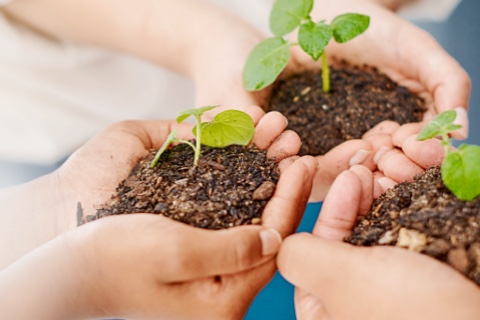
In 2023, CR Beverage launched the "C'estbon Waste Material Re-born Program". By combining resources and creating platforms, we cooperated with government authorities, professional agencies and mass media, engaged public education in communities to advocate the concept of sustainable development. The program allows the public to truly understand the future significance of recycling and promotes the participation of the whole society in the recycling of plastic. The program contributed to the achievement of low-carbon living towards development of a beautiful China.
In 2024, the "C'estbon Waste Material Re-born Program" underwent a comprehensive upgrade and expanded its reach to cities such as Chengdu, Chongqing,Wuhan,Shanghai, Shenzhen, and Hong Kong, delving into different types of urban spaces such as commercial landmarks, ofice buildings, residential communities and parks, to showcase daily necessities, public facilities, artworks, etc.
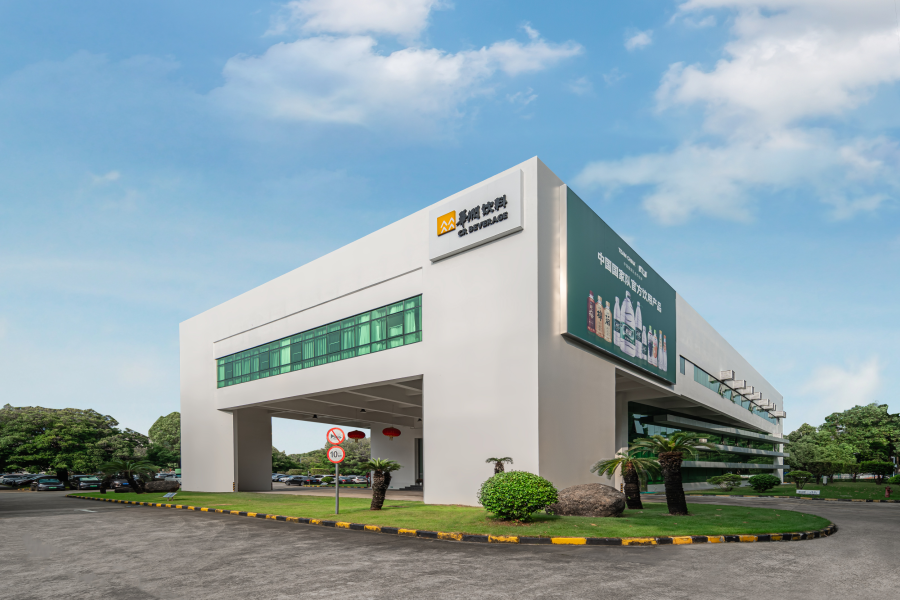
In 2025, CR Beverage kicked off its "C'estbon Waste Matera Re-born Program", a plastic bottle recycling and regeneration initiative across 30 cities nationwide. The company also organized "public welfare study tours", inviting families to visit its Wanlv Lake factory. During these tours, it publicly revealed for the first time the "Green Technology" behind the plan-recycled plastic materials.
In 2026, CR Beverage visited multiple communities in Hong Kong and partnered with local charitable organizations to launch a three-month "Waste Material Re-born for GREEN Future" urban sustainability program, jointly building a complete loop of "recycling-regeneration-reward".
Meanwhile, CR Beverage is looking to spread the sustainable development concept around the full-chain industry partners. In 2025, CR Beverage continued to implement the "Unboxing Rewards" campaign across various sales regions. By introducing a green incentive program that allowed participants to exchange "old cartons and plastic film packaging for bottled water", we successfully stimulated the enthusiastic engagement from our partners, and shaped the virtuous circle of "environmental protection equals earnings". A total of over 16,000 tons of outer packaging were recycled, equivalent to reducing 22,236.47 tons of carbon emissions.
| + 86 - 0755 - 26983333 |
| Shenzhen High-tech Industrial Park (North District), 22 Langshan Road, Nanshan District, Shenzhen, Guangdong Province |